
New York’s Election System Isn’t Chaotic. It’s Democracy Done Right.
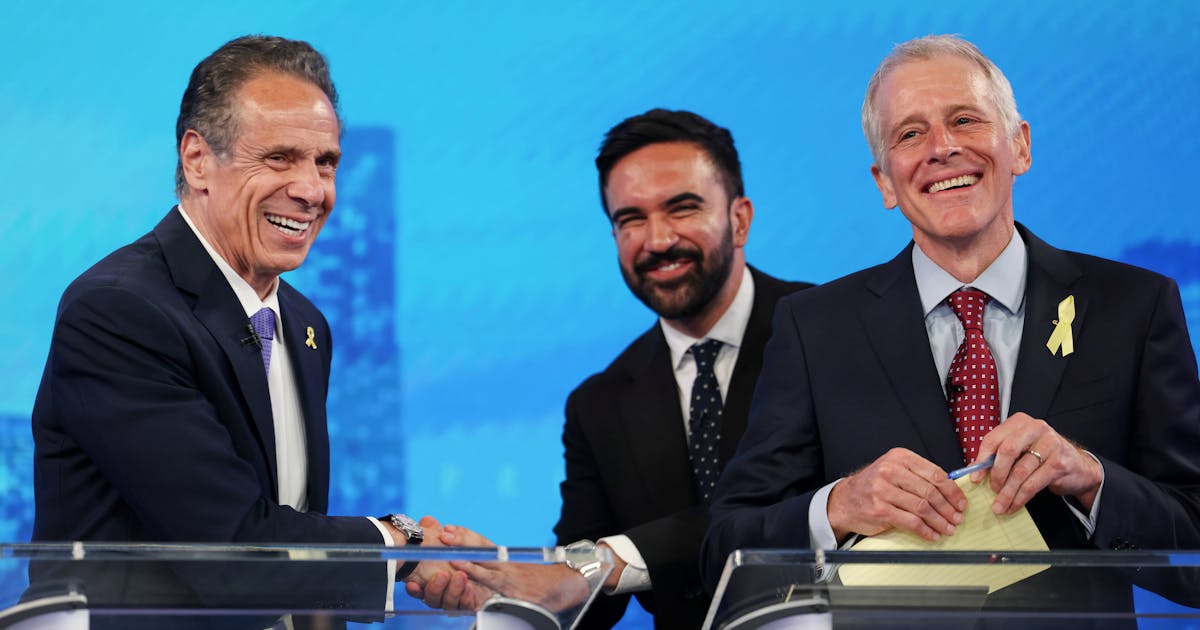
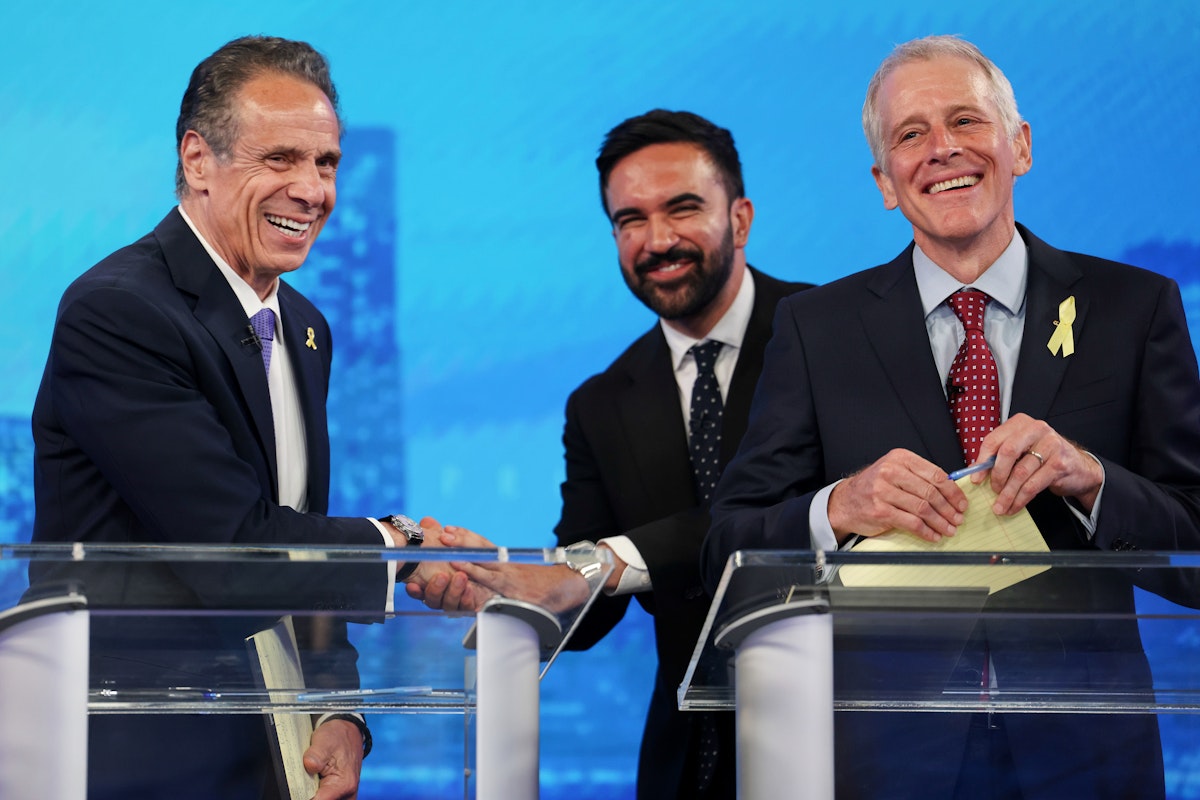
Here are some recent updates from the Democratic primary for New York City mayor: Several rival candidates, for the first time in the history of the nation’s largest city, have “cross-endorsed” each other. One of them, the democratic socialist Zohran Mamdani, encouraged his supporters to give money to a more moderate opponent, Adrienne Adams. And people are heading to the polls early at double the rate they did last time they voted for mayor.
Some political observers see this as chaotic, problematic, and even antidemocratic. But at a time when Americans are frustrated with their democracy and the amount of money flooding elections, an alternate read is that a collection of wonky changes by New York—most prominently, ranked-choice voting—is forging a potentially exemplary new election system, one that could show the way for big blue cities afflicted with electoral apathy and cynicism. That’s no small feat for a city long plagued by election dysfunction, suffocating machine politics, and terrible turnout.
In recent years, the city has implemented early voting, greenlit even more generous public matching funds for candidates, and put stricter limits on spending and donating, but the most attention-grabbing part of the NYC model is ranked choice, which allows people to list up to five candidates in their preferred order for most local primaries. If no candidate gets a majority of first-place votes, then the last-place candidate is eliminated. Second-place votes for that eliminated candidate now become first-place votes, and we count again until someone gets a majority.
This means that “every individual vote has more power,” said Tim Hunter, press secretary of the New York City Campaign Finance Board, an independent city agency that aims to make elections fairer and more popular.
That’s because ranked choice, unlike a winner-takes-all system, doesn’t discourage voters from choosing their preferred candidate even if that person is polling poorly. Ranked choice also diminishes the impact of vote splitting, which is especially relevant in this year’s Democratic primary where one candidate’s name recognition and war chest—that of Andrew Cuomo, the dynastic former governor who resigned from office in 2021 after allegations of sexual harassment—far exceeds the other candidates’, most of whom are running to his left. In a typical election that featured the current field, the non-Cuomo vote would be severely diluted, with candidates squabbling until the last minute about who should drop out.


