
What Aaron Sorkin Forgot About The Social Network
The Social Reckoning lacks the most compelling element of its predecessor.
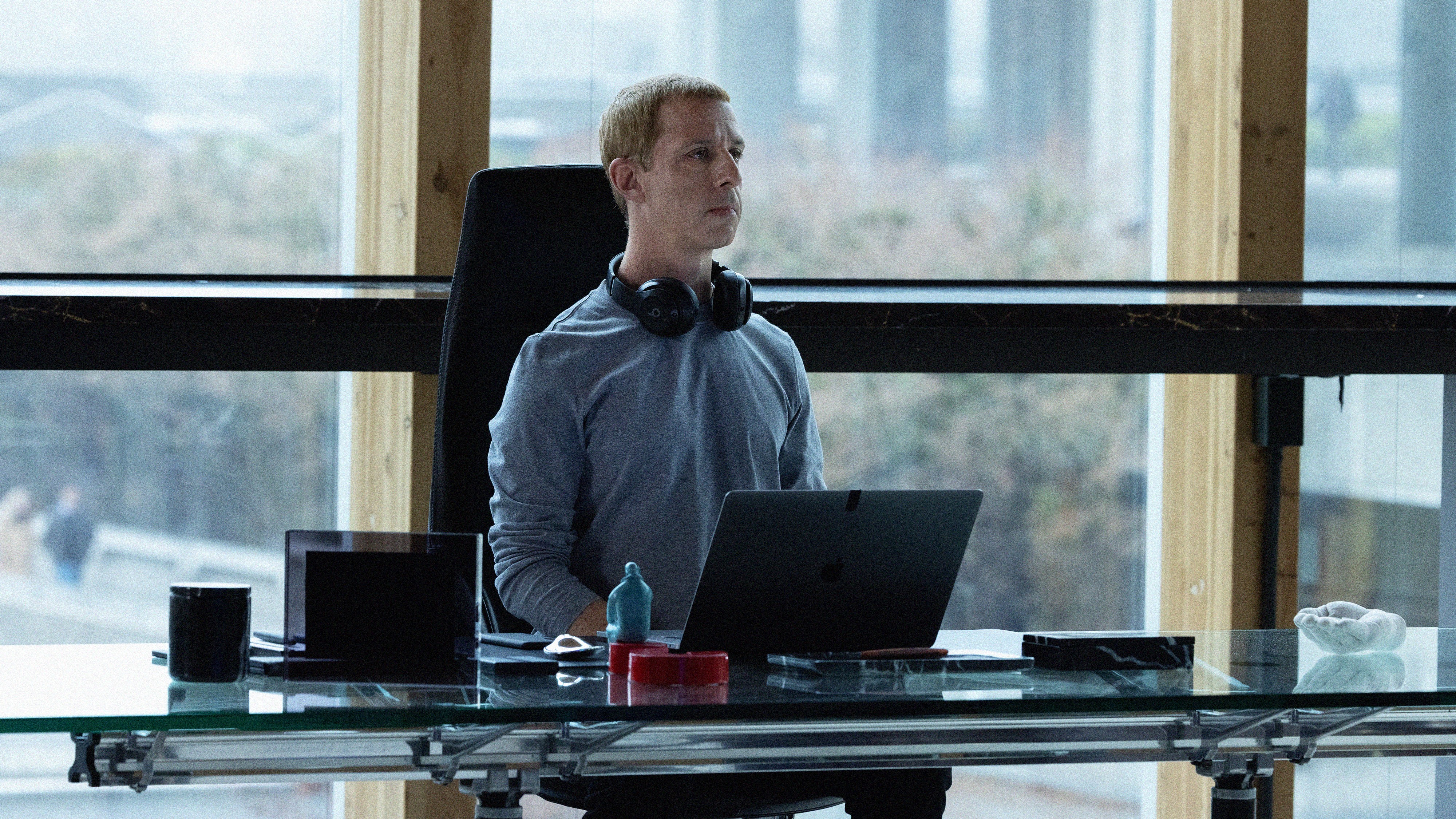
The Social Network was powered by alienation. David Fincher’s incredible 2010 film, written by Aaron Sorkin, tells the story of an internet age. It does this through the fraught relationship between two frustrated college students, hungry for popularity and connection, one of whom just happens to be Mark Zuckerberg. It’s a haunted movie that did an outstanding job predicting the nightmares that awaited us in our lives online. Now comes a sequel of sorts: The Social Reckoning, written and directed by Sorkin, which amounts to a long and drawn-out “Told ya so!”
What’s powering The Social Reckoning is outrage—and that outrage is certainly justified. Set from 2019 to 2021, it dramatizes a series of Wall Street Journal articles that exposed the company’s willful ignorance, and oftentimes algorithmic encouragement, of Facebook’s damages to society. Sorkin diligently lays out the reporting by Jeff Horwitz (played by Jeremy Allen White), the investigative journalist who collaborated with the product manager turned whistleblower Frances Haugen (Mikey Madison) to reveal the company’s misdeeds; there’s no disputing the public good of their work. But Sorkin’s enterprise has very little excitement to it and instead feels like a perfunctory coda to a point he made more poetically many years ago.
Part of the problem, undoubtedly, lies with the director. After spending decades among Hollywood’s most reliable and colorful screenwriters, Sorkin made the leap to filmmaking in 2017 with the solid biographical thriller Molly’s Game. He’s made three movies since, each a rendition of real-life events told with his distinctively bouncy, elliptical, rat-a-tat dialogue. His visuals, however, have never matched the liveliness of his writing. The Social Reckoning is disappointingly flat and gray, set in anodyne hotel rooms and glassy offices, and unbearably static. In The Social Network, Fincher made the Harvard campus that Zuckerberg skulked around feel both dreamy and hostile; Sorkin has no such impression of the Silicon Valley walled city that the Facebook co-founder ended up in.
[Read: How Facebook fails 90 percent of its users]
One of the biggest diminishments between the two films, though, is the lack of any emotional turmoil at The Social Reckoning’s center. The prior entry depicts the inception of Facebook and, just as important, the love-hate friendship Zuckerberg had with his co-founder Eduardo Saverin—two socially stunted buddies who become rivals after the silly college website they created takes off. Reckoning offers nothing so tumultuous or compelling; the only interpersonal tension stems from how Horwitz (whom White plays as deadpan, a bit old-fashioned, and consummately professional) tries to make Haugen feel comfortable about leaking internal documents. Although the nervous Haugen sometimes teases the reporter for his lack of tech know-how, their banter never even rises to a sizzle.
The other unavoidable comparison point between the original movie and the sequel is Zuckerberg himself. Eisenberg’s nervy performance in The Social Network made him an Oscar-nominated star, and it’s clear from how the part is written here that Sorkin expected him to return (indeed, he’s said as much). Eisenberg has been replaced by Jeremy Strong, who’s appeared in two other Sorkin projects, and the Succession actor tackles the role with his usual aplomb; he does a fine imitation of Zuckerberg’s stiff and pitchy voice. But though Eisenberg’s rendition of the 20-something CEO buzzes with youthful insecurity, Strong’s Zuckerberg, here in his late 30s, is almost zombified. The character is always seen sitting or stiffly standing, and has no light behind his eyes. That the head of one of the biggest tech companies in the world has become somewhat ghoulish and surrounded by yes-men is easy to believe yet hardly shocking; when Zuckerberg appears on-screen, the audience is meant to boo and hiss until he exits.
It is simply not enough for The Social Reckoning to present the facts that Facebook misled its users and encouraged many of their worst impulses. Those revelations are patiently explained by Haugen and Horwitz over and over again, as they emphasize to each other how the website’s algorithms pushed outrageous material that nudged its users toward hate groups to keep them scrolling. But the viewer can already learn about these developments by reading the existing source material.
[Read: One way The Social Network got Facebook right]
That Sorkin relies on his favorite screenwriting tropes, which have grown creakier and creakier, doesn’t help—and they feel especially tired as he tackles subjects this topical. Attempts at witty repartee about such subjects as the musical Show Boat and Frank Capra movies fall flat coming out of White’s and Madison’s mouths. The narrative also hops backwards and forwards in time, encompassing the coronavirus pandemic and the January 6 insurrection, which just feels choppy and unfocused; Sorkin’s hammer-blow point about Facebook encouraging humanity’s worst impulses in regard to both crises can be seen coming from a mile off. The Social Reckoning isn’t wrong about the troubled world Facebook has helped make. The film just can’t talk about it in a remotely interesting way.
Originally published by theatlantic.com. Syndicated material does not necessarily reflect the views of Glamour Canada.
.jpg)


