
17 French Markets You Absolutely Can’t Miss
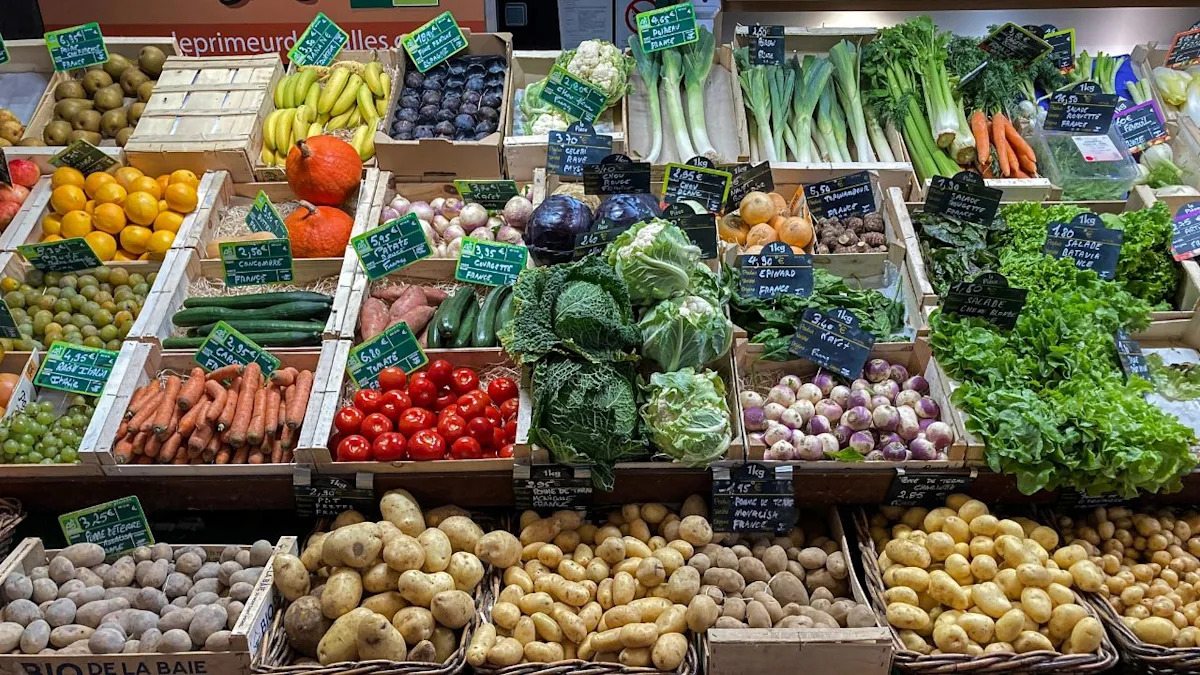
France’s markets are living storybooks where culture, food, and everyday life come together in a way that feels effortlessly magical. Travelers expecting simple grocery runs quickly discover that markets are social rituals, places where neighbors gather, artisans showcase their craft, and traditions remain beautifully alive.
Whether set in a medieval square or along a sunny coastal promenade, each market bursts with atmosphere and authenticity, offering a sensory experience unlike anything found in supermarkets. The sounds of vendors calling out specials, the scent of freshly baked bread, and the vibrant colors of seasonal produce create an unforgettable symphony of French life.
These markets also reveal a deeper connection between the French people and their land. Every product has a story, whether it’s goat cheese from a nearby farm, olives harvested from local groves, or pastries prepared according to family recipes passed down for generations. Wandering through these stalls allows travelers to experience true regional identity and understand how much pride the French take in culinary heritage. These markets aren’t just places to shop, they’re windows into the cultural soul of France.
Marché d’Aligre, Paris
Image Credit: Noppasin Wongchum / Shutterstock.
Marché d’Aligre is one of Paris’s most energetic markets, blending fresh produce stalls, a covered hall, and a lively flea market all in one place. Visitors are charmed by how locals weave through the crowds with baskets in hand, greeting vendors they’ve known for years while stopping for samples of cheese or charcuterie. The blend of cultures, smells, and textures creates a vibrant daily ritual that feels uniquely Parisian. Even those who think they know Paris discover a new side of the city here.
In the adjacent square, antique sellers and secondhand traders offer everything from old books to vintage cookware, creating a treasure hunt atmosphere. The market feels both timeless and full of surprises, with each stall reflecting a different piece of the neighborhood’s identity. Travelers often find themselves lingering longer than planned, enjoying the rhythm of conversations and spontaneous tastings. Marché d’Aligre becomes a favorite for anyone seeking authenticity beyond the city’s postcard landmarks.
Cours Saleya Market, Nice

Image Credit: Francesco Bonino / Shutterstock.
Cours Saleya in Nice is a burst of color and fragrance, a Mediterranean dream filled with flowers, olives, citrus fruits, and sunlit produce. The market sits just steps from the sea, allowing salty breezes to mingle with the scent of lavender and fresh herbs. Visitors often arrive expecting a simple market excursion but end up captivated by the warm, joyful atmosphere. The energy here reflects the spirit of the Riviera — relaxed, vibrant, and sensory-rich.
Local vendors proudly offer regional specialties such as socca, candied fruits, and olive oil made in nearby hills. The combination of food, flowers, and sunshine makes the experience feel almost cinematic. As you wander through the stalls, you witness the cultural fusion that defines Nice, with Italian influences weaving seamlessly into French traditions. Cours Saleya becomes a place where travelers feel instantly connected to the soul of the city.
Marché des Capucins, Bordeaux

Image Credit:Shutterstock.
Known as the “belly of Bordeaux,” Marché des Capucins is a paradise for food lovers seeking authentic flavors. The market buzzes with energy as fishmongers, bakers, and farmers display their finest products in long, colorful rows. Travelers often come for the famous oysters served fresh with a splash of lemon, turning an ordinary morning into a culinary experience. The scents of roasted chicken and warm pastries fill the air, creating an irresistible invitation to explore.
This market demonstrates Bordeaux’s deep connection to gastronomy and craftsmanship. Conversations with vendors often lead to lessons about local ingredients, wine pairings, and family traditions. Travelers leave with a deeper appreciation for the region’s culinary legacy, shaped by both land and sea. Marché des Capucins becomes an essential stop for anyone wanting to taste Bordeaux at its most authentic.
Marché Forville, Cannes

Image Credit:Shutterstock.
Marché Forville offers a refreshing contrast to Cannes’ glamorous image, highlighting the city’s humble, traditional roots. The market is filled with seasonal fruits, vegetables, cheeses, and freshly caught seafood, reflecting the culinary heartbeat of Provence. Visitors are surprised by how genuine and unpretentious the atmosphere feels, despite being located in one of the world’s most famous cities. The colors and aromas evoke the simplicity of Mediterranean living.
Strolling through Forville gives travelers a glimpse into the daily life of local chefs who shop here for ingredients. Conversations with vendors reveal stories of farms, fishing families, and regional specialties passed down over generations. Every purchase feels meaningful, as if you’re taking home a piece of Provençal culture. The market embodies the delicious blend of authenticity and elegance that defines the French Riviera.
Marché de la Croix-Rousse, Lyon

Image Credit:Shutterstock.
Set on one of Lyon’s historic hills, Marché de la Croix-Rousse brings together the city’s deep culinary traditions and artistic personality. The market is known for its exceptional produce, cheeses, and charcuterie — not surprising in France’s gastronomic capital. Visitors often arrive expecting a typical street market but quickly feel the intimate community spirit that sets this one apart. Every stall reflects the pride Lyon takes in its food culture.
The market also showcases handmade goods, local crafts, and treats from independent bakers and chocolatiers. Conversations flow easily, creating a warm and welcoming atmosphere. Travelers often find themselves sampling unexpected delights such as praline pastries or artisanal sausage. The market becomes a memorable highlight, blending history, creativity, and delicious flavors.
Marché Victor Hugo, Toulouse

Image Credit:Shutterstock.
Marché Victor Hugo is the proud culinary heart of Toulouse, a bustling indoor market filled with butchers, bakers, cheesemakers, and specialty vendors who represent the very best of southwestern French cuisine. Travelers are immediately drawn in by the rich aromas of cured meats, creamy cheeses, and freshly baked bread, creating an atmosphere that feels both lively and deeply traditional. The market’s layout invites long strolls, encouraging visitors to discover local delicacies such as cassoulet ingredients, duck confit, and regional pastries. Even those unfamiliar with Toulouse’s cuisine find themselves immersed in its comforting and rustic flavors.
On the upper floor, small restaurants transform market ingredients into unforgettable meals, giving travelers the rare experience of tasting dishes prepared just steps from where the ingredients were sold. Conversations with chefs and vendors reveal stories of family-run farms, cherished recipes, and the cultural pride that defines the region. Visitors often leave feeling as though they’ve unlocked a culinary secret that locals have enjoyed for generations. Marché Victor Hugo becomes a must-visit for anyone wanting to experience Toulouse in its most authentic form.
Les Halles de Dijon, Dijon

Image Credit:Shutterstock.
Les Halles de Dijon is a cathedral of food designed by Gustave Eiffel, blending historic architecture with the bold culinary identity of Burgundy. The market showcases incredible cheeses, wines, mustards, and pastries, reflecting a region known for its refined and powerful flavors. Visitors often come expecting a simple tasting experience and instead discover a cultural institution where gastronomy is treated with reverence. Every stall displays a piece of Burgundy’s personality, from earthy truffles to buttery escargot preparations.
The atmosphere is vibrant yet elegant, with locals shopping for weekend meals and chatting warmly with beloved vendors. Travelers can enjoy tastings of regional specialties, learning about the traditions that shaped one of France’s most respected food cultures. The building itself adds to the charm, creating a grand yet welcoming setting. Les Halles de Dijon becomes a sensory journey through one of France’s most gastronomic regions.
Marché Saint-Michel, Paris

Image Credit:Shutterstock.
Marché Saint-Michel is among Paris’s most multicultural and atmospheric markets, offering fresh produce, spices, textiles, and street food that reflect the city’s global diversity. The bold scents of herbs, roasted meats, and exotic fruits float through the air, captivating travelers from the moment they arrive. It’s a lively, vibrant place where cultures blend seamlessly, creating a marketplace unlike any other in the capital. Visitors expecting a traditional French market experience find something far more dynamic and global.
The market is also known for its friendly vendors who offer samples and share stories about their homelands, creating a warm and genuine atmosphere. Shoppers can find everything from North African olives to Middle Eastern pastries and Caribbean produce. This diversity reveals the modern identity of Paris as a city shaped by many cultures. Marché Saint-Michel becomes an eye-opening experience that broadens a traveler’s understanding of French life.
Marché des Lices, Rennes

Image Credit:Shutterstock.
Marché des Lices in Rennes is one of the largest markets in France and a celebrated gathering place for Breton culture. Spread across a historic square, the market is filled with seafood, crepes, cider, and produce from local farms. Visitors are immediately struck by the pride vendors take in showcasing the flavors of Brittany, a region with a strong maritime and agricultural heritage. The atmosphere feels warm, communal, and distinctly regional.
As travelers explore deeper, they uncover the specialties that define Breton cuisine, such as buckwheat galettes, fresh oysters, and creamy local cheeses. Conversations with producers often reveal stories of small family businesses and traditional farming methods. The market becomes more than a shopping experience — it becomes a cultural immersion that highlights the identity of Brittany. Marché des Lices leaves visitors with a lasting appreciation for the region’s authenticity.
Marché Provençal, Antibes

Image Credit:Shutterstock.
Marché Provençal in Antibes is the essence of the French Riviera, blending fragrant herbs, ripe produce, and artisanal treats under a historic covered hall. The warm Mediterranean air carries scents of lavender, citrus, and fresh basil, creating an atmosphere that feels effortlessly elegant. Visitors often find themselves mesmerized by the colors and textures of the market, from sun-ripened tomatoes to jars of local honey. The environment captures the easy charm of Provencal living.
The market also highlights the creativity of local artisans who sell handmade soaps, olive oils, and decorative crafts. Travelers have the chance to meet producers who explain traditional methods still used today. Sampling regional specialties becomes an integral part of the visit, revealing the flavors that define Provence. The experience is both relaxing and enriching, making the market a highlight of Antibes.
Marché du Vieux-Port, Marseille

Image Credit:Shutterstock.
Located beside the iconic Old Port, this market offers a unique blend of seafood traditions, maritime history, and multicultural influences. Fishmongers display the catch of the day on ice, calling out prices while fishermen unload boats just steps away. The atmosphere is alive with energy, reflecting Marseille’s deep connection to the sea. Travelers often witness seafood being sold that will be used that same day in local dishes, such as bouillabaisse.
As visitors wander further, they discover stalls selling Mediterranean spices, olives, and pastries that reflect the city’s diverse cultural background. Conversations with vendors reveal a Marseille shaped by generations of sailors, immigrants, and artisans. The market becomes a powerful expression of the city’s identity, balancing chaos and charm in a way that feels uniquely authentic. Marché du Vieux-Port becomes a must-experience for food lovers and culture seekers alike.
Marché de Narbonne, Narbonne

Image Credit:Shutterstock.
Marché de Narbonne is a food lover’s paradise in the heart of southern France, housed in a stunning covered hall with over a century of history. Visitors are welcomed by rows of butchers, bakers, and farmers who proudly showcase the rich culinary traditions of the region. The market’s warm, familial energy makes it easy to lose track of time, especially while sampling cheeses, charcuterie, and baked goods. The variety here surprises even seasoned travelers.
What makes this market particularly special is the blend of local and seasonal specialties, including fresh seafood from nearby coasts and hearty meats from rural farms. Vendors enjoy sharing recipes and tips, turning each interaction into a cultural exchange. The experience offers a vivid snapshot of life in the Languedoc region. Marché de Narbonne becomes a memorable stop where every bite feels rooted in tradition.
Marché de la Liberté, Toulon

Image Credit:Shutterstock.
Marché de la Liberté captures the vibrant spirit of Provence with its colorful stalls filled with fruits, vegetables, flowers, and handcrafted goods. The market’s lively atmosphere reflects the coastal town’s Mediterranean identity, bringing together locals who shop for fresh ingredients each morning. Visitors are often charmed by the friendly conversations and the artistic presentation of produce. The environment feels warm, welcoming, and distinctly southern.
Travelers quickly discover regional specialties such as tapenade, herbs de Provence, and fresh goat cheese, each representing a piece of the area’s culture. The market offers a slower pace that encourages exploration and discovery. Many visitors leave with baskets filled with aromatic products and memories of engaging conversations with passionate vendors. Marché de la Liberté becomes a delightful immersion into everyday Provençal life.
Marché de Wazemmes, Lille

Image Credit:Shutterstock.
Marché de Wazemmes is one of France’s most diverse and spirited markets, known for its lively atmosphere, multicultural food stalls, and wide selection of produce and textiles. Visitors are surrounded by bold scents, colorful displays, and the buzz of energetic vendors, making the market feel like a celebration of global cultures. It’s a perfect representation of Lille’s cosmopolitan identity, where French, North African, and Middle Eastern influences blend seamlessly.
The market also features a covered hall where specialty vendors showcase cheeses, pastries, and regional products from northern France. Travelers often find themselves sampling unexpected delights such as local beers, Flemish waffles, or Moroccan pastries. The welcoming atmosphere encourages interaction and discovery. Marché de Wazemmes becomes an unforgettable mix of cultures and flavors.
Marché d’Arles, Arles

Image Credit:Shutterstock.
Marché d’Arles stretches along a long boulevard lined with stalls showcasing the best of Provence’s agricultural and artisanal traditions. The market offers everything from lavender bundles to goat cheeses and handmade ceramics, creating a sensory-rich experience that captures the spirit of the south. Travelers often find themselves drawn to the vivid colors of produce and the inviting scents of herbs, olives, and fresh bread. The market feels like a living painting inspired by the region’s artistic roots.
As visitors wander, they find vendors eager to share stories about their products and local customs. The market’s leisurely pace encourages exploration and conversation, allowing travelers to connect deeply with Provencal culture. From seasonal fruits to artisanal crafts, everything feels thoughtfully curated. Marché d’Arles becomes a must-experience for anyone wanting to capture the essence of southern France.
Marché des Enfants Rouges, Paris

Image Credit Carolyne Parent / Shutterstock.
As the oldest covered market in Paris, Marché des Enfants Rouges blends history with international cuisine in a compact but vibrant setting. The market offers prepared foods from around the world, including Moroccan tagines, Japanese bento boxes, and traditional French dishes. Travelers expecting a typical Parisian market are surprised by the global flavors and the convivial atmosphere. The mix of cultures makes this market unlike any other in the city.
The market’s small size creates an intimate experience where visitors can chat with chefs, watch meals being prepared, and taste freshly made specialties. The sense of community is strong, with locals and tourists sharing tables in a warm, relaxed environment. Travelers often stay longer than expected, enjoying the fusion of history and modern culinary creativity. Marché des Enfants Rouges becomes a beloved stop for curious eaters.
Marché de Sarlat, Sarlat-la-Canéda

Image Credit:Shutterstock.
Marché de Sarlat is a medieval dream come to life, set against the golden stone backdrop of one of France’s most beautiful towns. The market showcases the iconic flavors of the Dordogne region, including foie gras, truffles, walnuts, and rustic baked goods. Visitors are charmed by the old-world charm and the richness of regional specialties. The streets come alive with a blend of aromas, textures, and friendly voices.
Travelers who explore deeper find vendors eager to explain traditional methods behind their products, adding depth to every purchase. The market becomes a journey into the heart of Périgord culture, filled with warm interactions and unforgettable tastes. It reflects a way of life centered around quality, tradition, and pride in regional identity. Marché de Sarlat becomes an essential stop for anyone exploring rural France.
